It predicts. It doesn’t "know".
Most AI tools you use are pattern-matchers trained on huge amounts of text, images or data. They are often right, but they can be confidently wrong.
AI is reshaping how we work, learn and govern. We explain the real risks, from everyday scams to the existential, and how to make AI work for people, not the other way round.
What AI actually is, what it isn’t, and where you already meet it every day.
Go →02Scams, deepfakes, bias, privacy, jobs. The harms happening now, in our communities.
Go →03Why serious researchers worry about losing control, and what would prevent it.
Go →04Practical, honest guidance for workers, students and small businesses.
Go →05Have your say. Protect your family. Push for good rules across the region.
Go →You don’t need a computer-science degree to have a view on AI. Start with these three ideas.
Most AI tools you use are pattern-matchers trained on huge amounts of text, images or data. They are often right, but they can be confidently wrong.
Your bank’s fraud alerts, your phone’s camera, the feed you scroll, the call-centre voice. AI is less a future thing than a present one.
Every AI system reflects choices about data, design and deployment. Those choices can be questioned, and changed.
AI could make expertise, energy and time far less scarce. But abundance isn’t automatic. Every promise comes with a condition we have to meet.
Earlier diagnosis in remote clinics. A specialist’s second opinion in Broome, Honiara or Dili, not just Sydney.
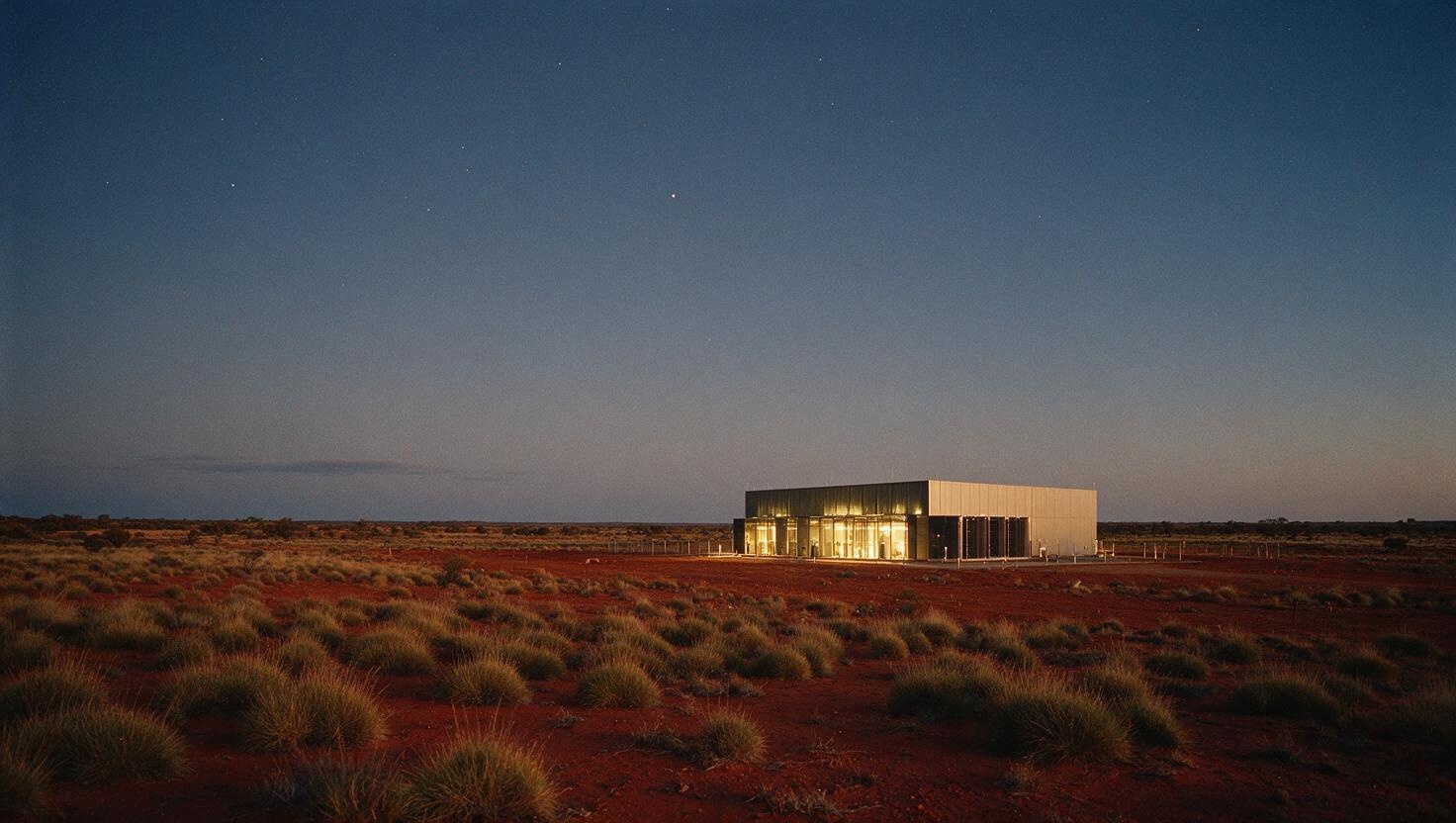
Sharper bushfire, flood and cyclone forecasting. Reef and ranger monitoring at a scale no team could manage alone.
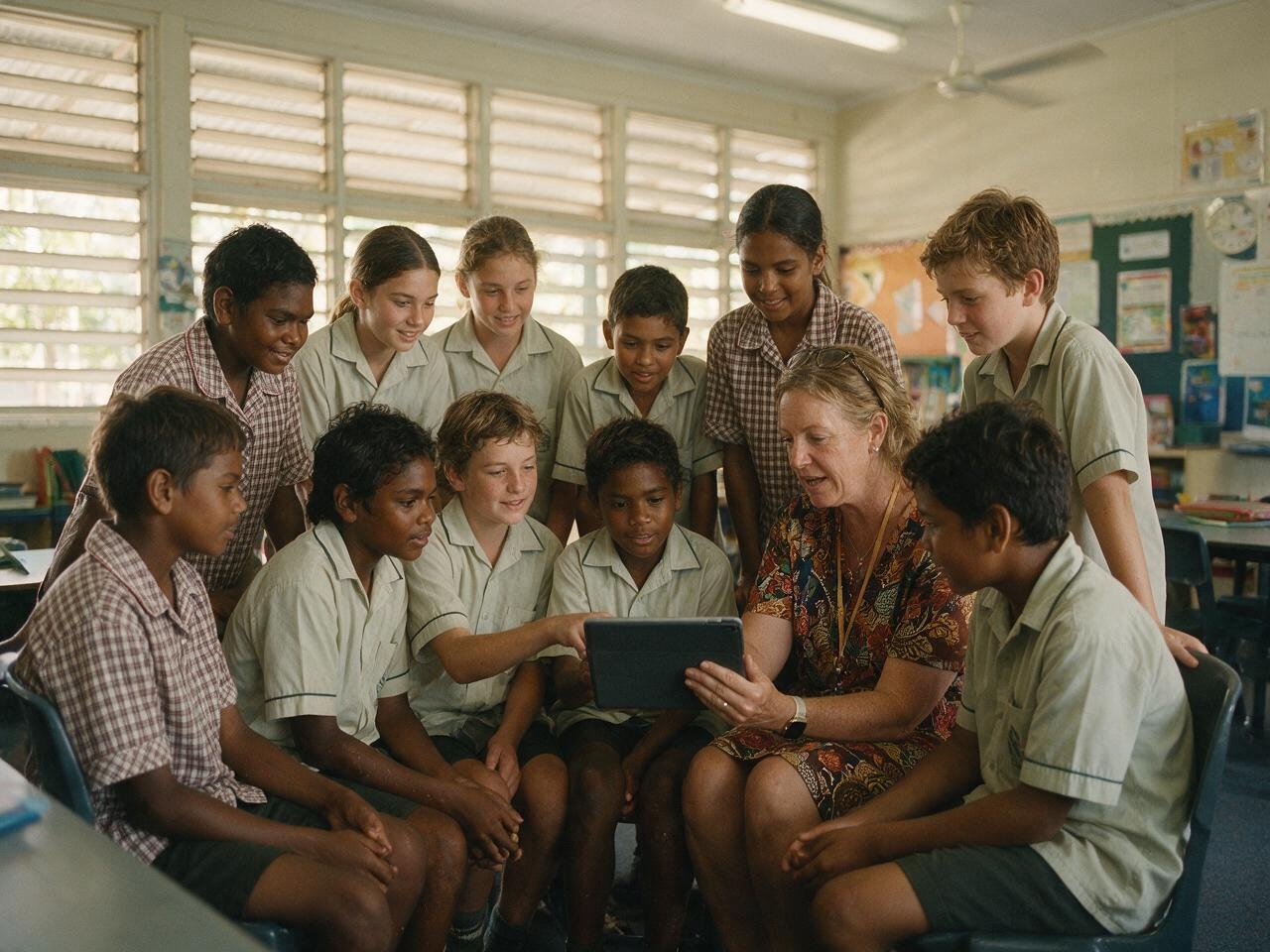
A patient tutor for every child, in every language, at any hour, including in languages with few speakers left.

Less drudgery, fewer forms, more time for the parts of work that need a human. Maybe even shorter weeks.
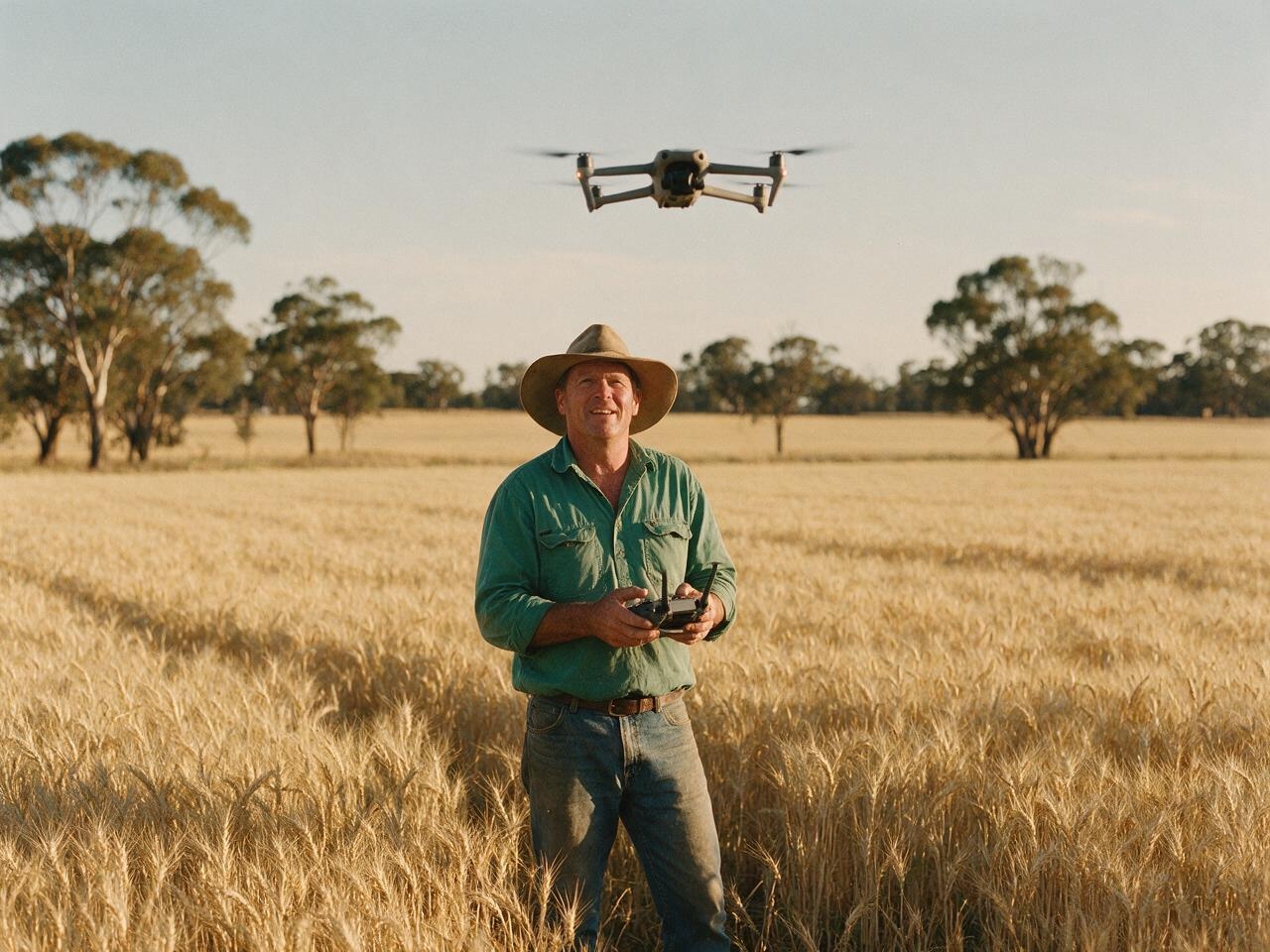
Precision farming that uses less water and fewer chemicals, with better yields through drought.
New medicines, materials and clean-energy breakthroughs discovered in years, not decades.
AI risk isn’t one thing. Slide along the spectrum to see how harms scale, and why each one deserves attention.
Voice-cloned "family emergency" calls, fake investment ads featuring local celebrities, AI-written phishing. Cheap to make, hard to spot.
Older Australians, migrant communities, small businesses
Family safe-words, pause-and-verify habits, platform accountability.
Six questions. An honest read on what AI is likely to automate, what it will augment, and what stays deeply human. Plus what to learn next.
AI’s future isn’t only decided in Silicon Valley or Beijing. Everyone has a lever. Pick yours.
A three-second clip is enough. Here’s the five-minute family conversation that stops it.
What researchers actually mean by "existential risk", where they disagree, and what would make us safer.
Tested by a Ballarat bakery, a Suva tour operator and a Brisbane accountant.
Your plain-English starting point
Hi. What would you like to understand about AI? This preview uses curated information, not a live AI model.
Educational information. Always verify important advice.